When disagreements arise about the validity of a will, families often face difficult and emotional decisions. Florida law allows certain interested parties to contest a will if there are valid legal grounds. With Attorney Ziona Kopelovich’s experience as a probate attorney, you’ll have strong guidance to either challenge or defend a will in court.
A Florida will may be contested for any one of—or a combination of—the following reasons:
While questions of execution can sometimes be straightforward, proving lack of capacity, undue influence, fraud, or duress is often complex. Having an experienced probate attorney is essential for navigating these disputes.
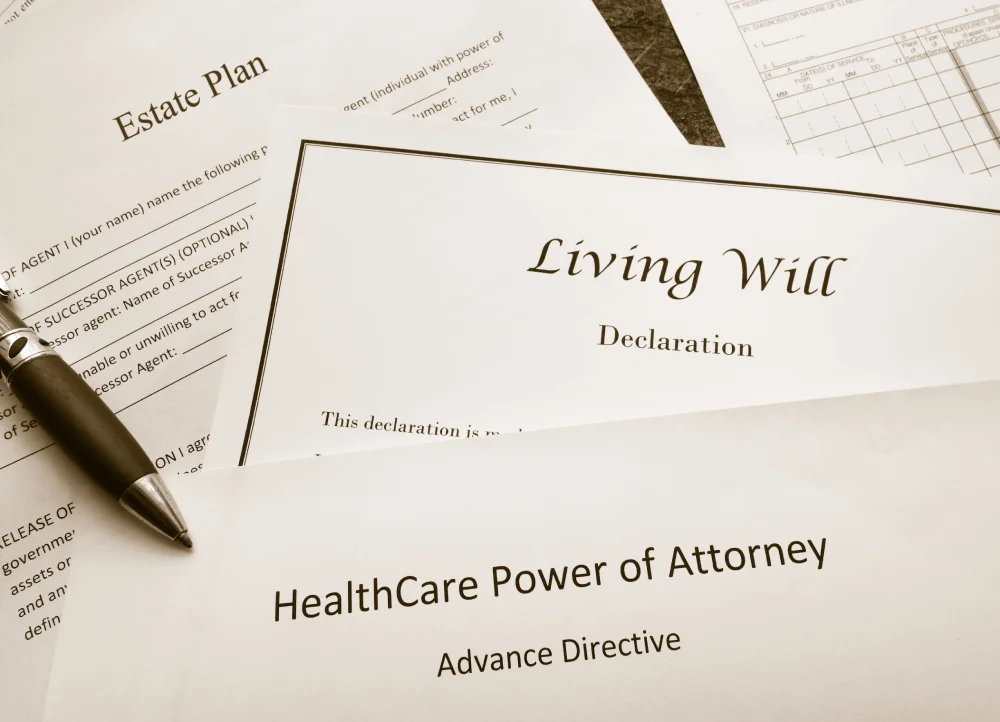
Florida law provides special protection for surviving spouses through the elective share. This is a percentage of the deceased spouse’s estate that the surviving spouse can claim, regardless of the will’s terms.
The elective share helps ensure a spouse is not unfairly disinherited or left with little support. Calculating whether to claim the elective share can be complicated and requires weighing the value of the inheritance provided in the will against what the law guarantees. Attorney Ziona Kopelovich can help surviving spouses evaluate their rights and understand the impact on other beneficiaries.
If you believe a will is invalid—or if you are defending against a challenge—contact the Law Office of Ziona Kopelovich, Attorney at Law. We represent clients across New Port Richey, Tampa, and throughout Florida in complex probate litigation.
Only “interested parties”—such as heirs, beneficiaries, or others who would inherit under intestacy laws—may contest a will.
Generally, you must file a will contest within 90 days after receiving notice of the probate proceeding. Deadlines are strict.
Lack of capacity means the testator did not understand the nature of creating a will, the extent of their property, or the natural heirs of their estate at the time of signing.
Undue influence involves showing that another person pressured or manipulated the testator into making decisions they would not have otherwise made. This often requires testimony, documents, and circumstantial evidence.
Yes. If the testator signed a will due to misrepresentation, lies, or fraudulent acts, the will may be declared invalid.
If a court rules a will invalid, either a prior valid will is enforced or, if none exists, Florida’s intestacy laws determine how assets are distributed.
Florida law generally does not enforce “no-contest” clauses, meaning you may still contest a will even if it includes such a provision.
The elective share guarantees a surviving spouse a portion of the estate, which may override or reduce bequests made to others under the will.
The timeline varies. Some cases settle in months through negotiation or mediation, while others may take a year or longer if full litigation is required.
Yes. Will contests involve strict court procedures, deadlines, and complex legal arguments. An experienced probate attorney is essential to protect your rights.

Reach the Law Office of Ziona Kopelovich today to find support, solutions, and the relief you need without delay.
If you’re facing a will contest in Florida—whether you’re defending a loved one’s wishes or challenging a suspicious will—Attorney Ziona Kopelovich is here to help.